Discover Dua Restaurant
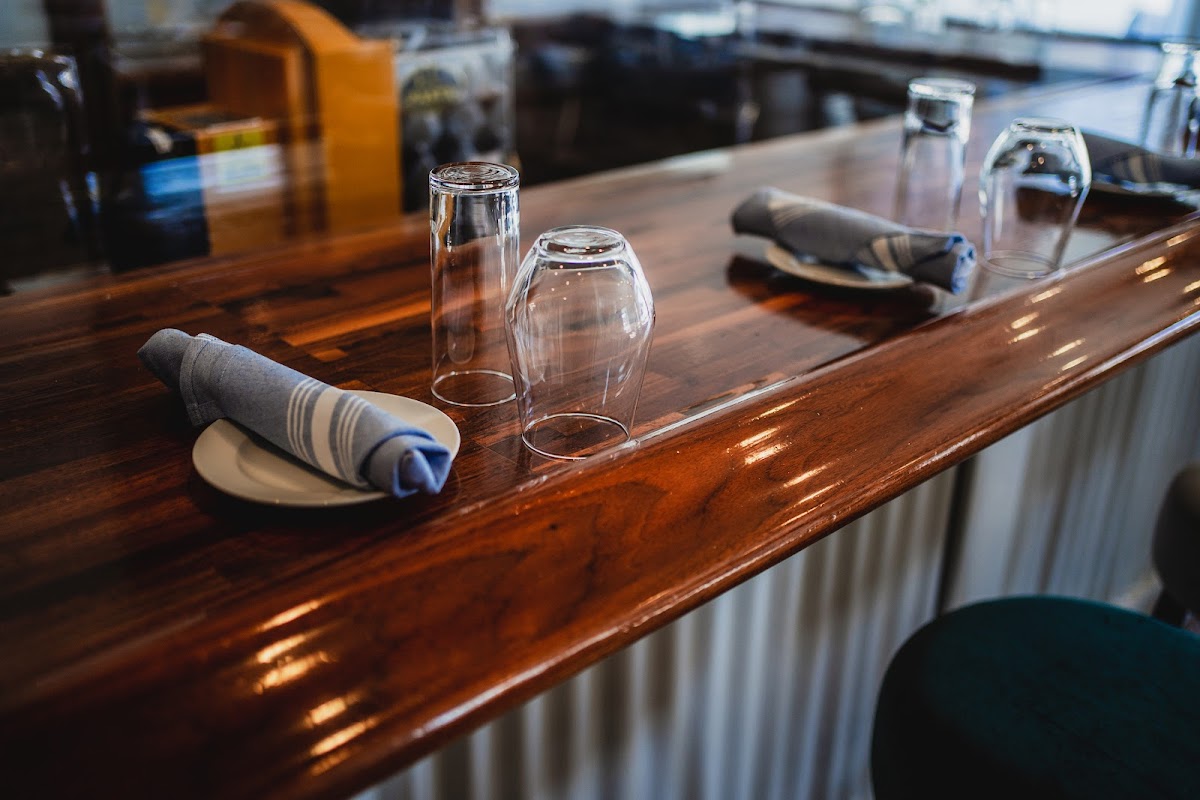
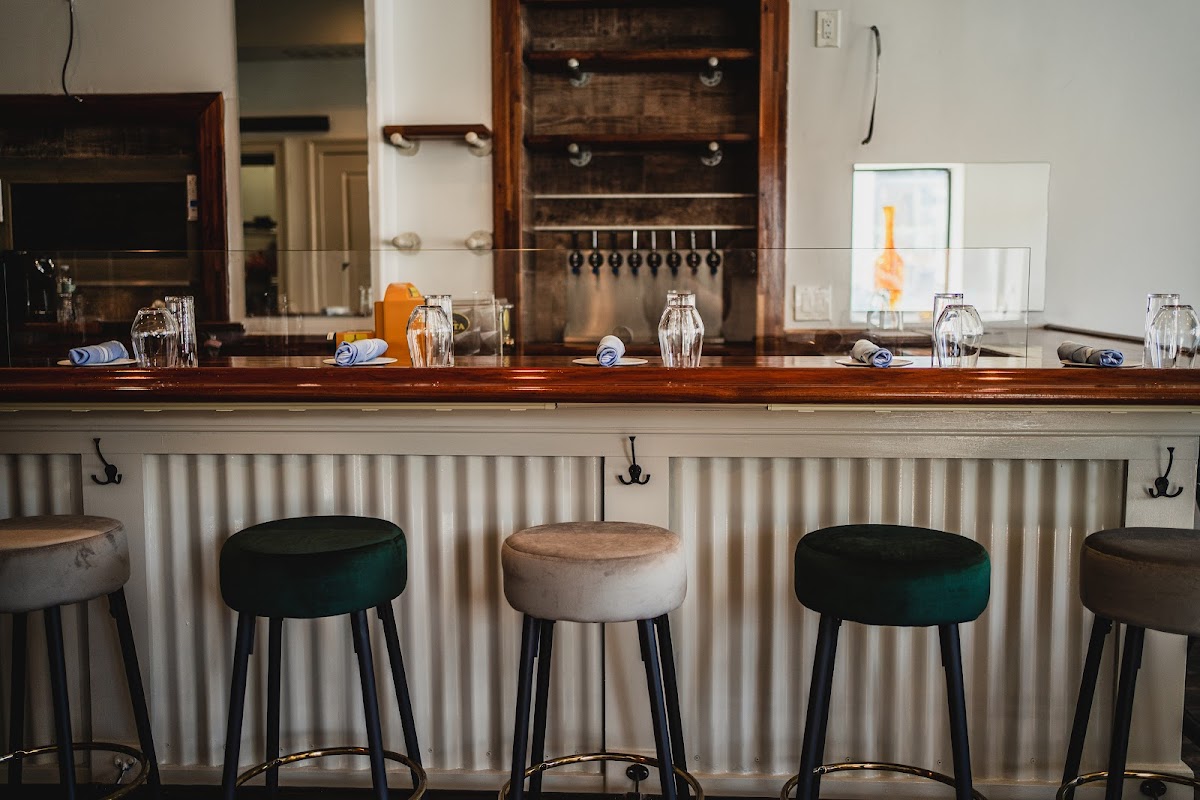
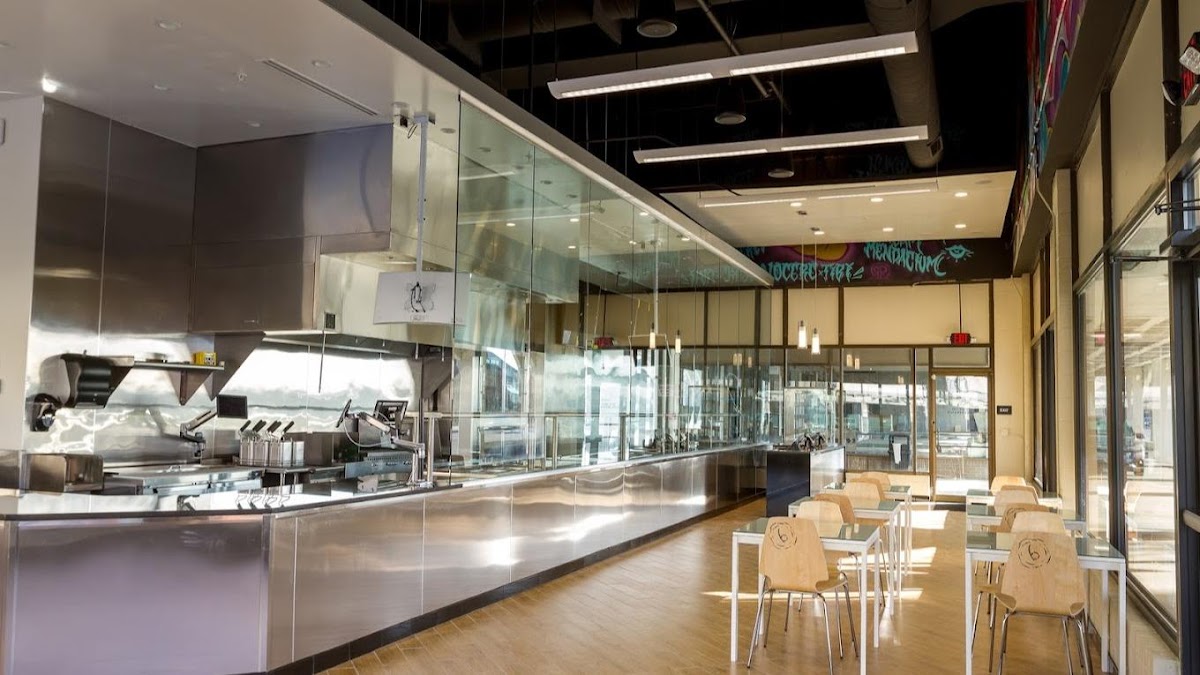
I first heard about Dua Restaurant from a local barista who swore it was one of those places you don’t just eat at once. Sitting along Lancaster Avenue at 1000 W Lancaster Ave, Bryn Mawr, PA 19010, United States, it blends right into the Main Line dining scene, yet once you step inside, it feels like you’ve found a neighborhood secret that regulars quietly protect. I stopped in on a weeknight, the kind of evening when you want something comforting but still memorable, and the room was humming with easy conversation and the clink of plates.
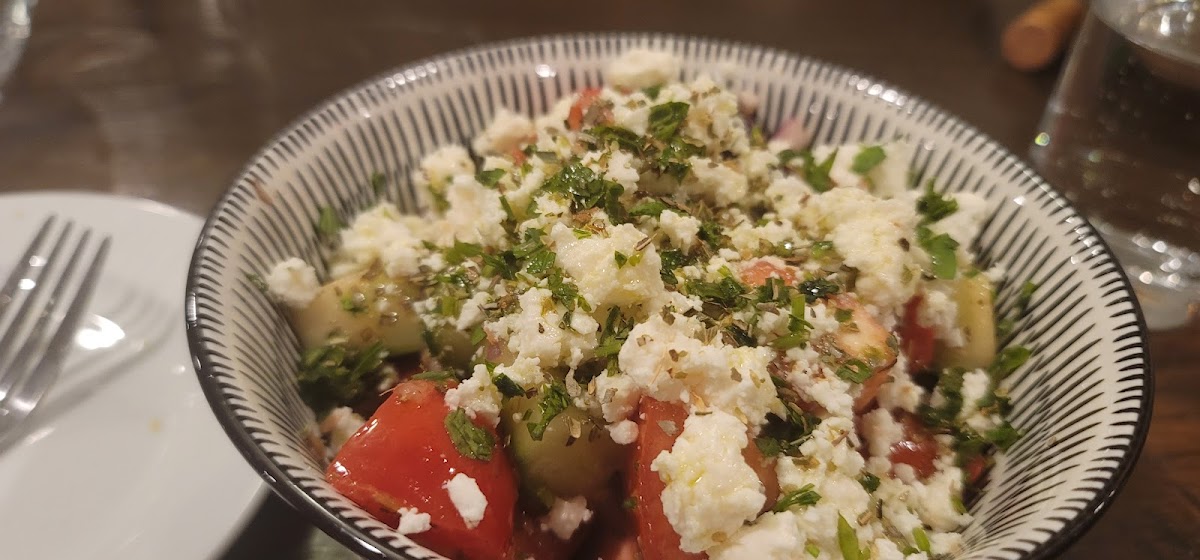
The menu reads like it was built with intention rather than trend-chasing. Instead of overwhelming you with endless choices, it focuses on well-executed staples and a handful of seasonal specials. I watched a server explain a dish tableside, breaking down how the kitchen balances flavors and why certain ingredients are sourced locally. That small moment reflected something the National Restaurant Association often highlights in its annual reports: diners consistently rank freshness and transparency as top factors when choosing where to eat. You can feel that philosophy in action here, especially when dishes arrive looking clean, vibrant, and thoughtfully plated.
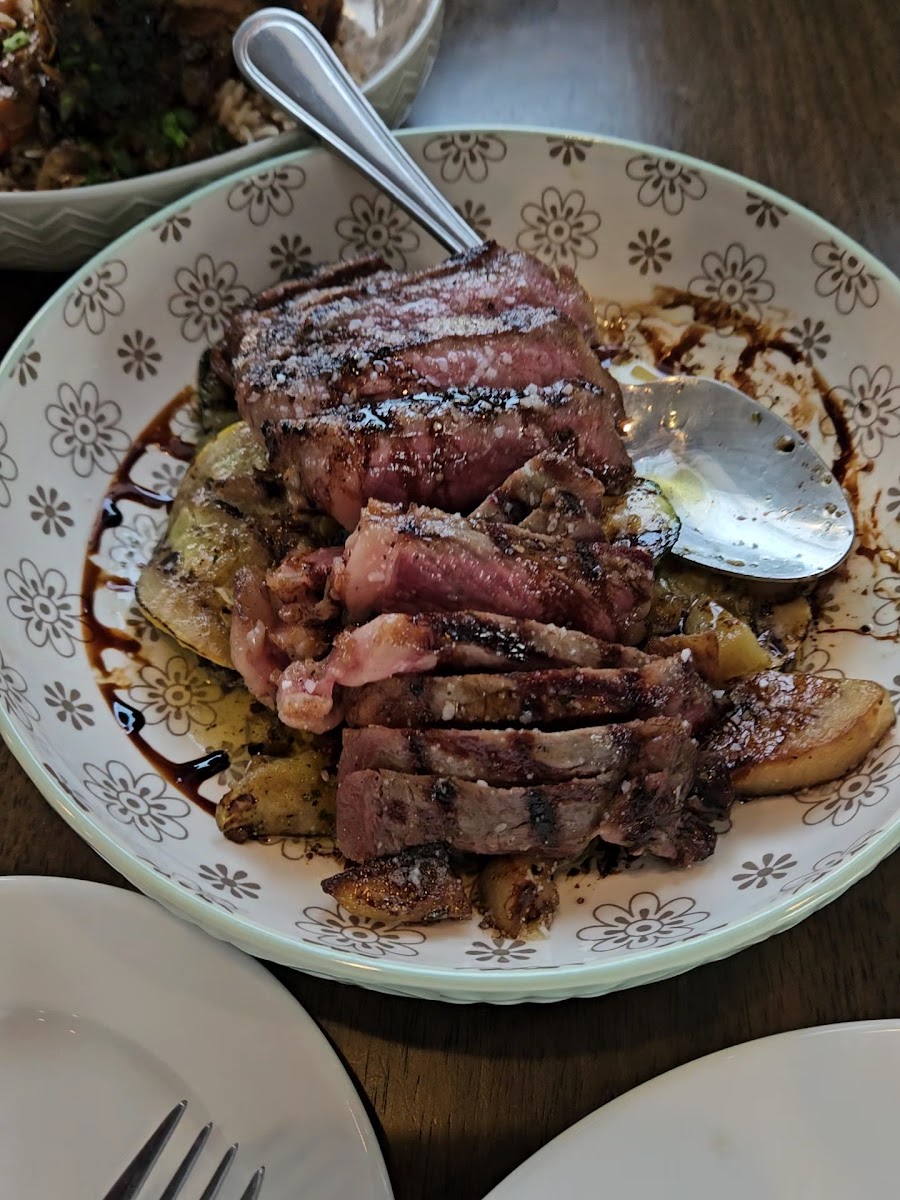
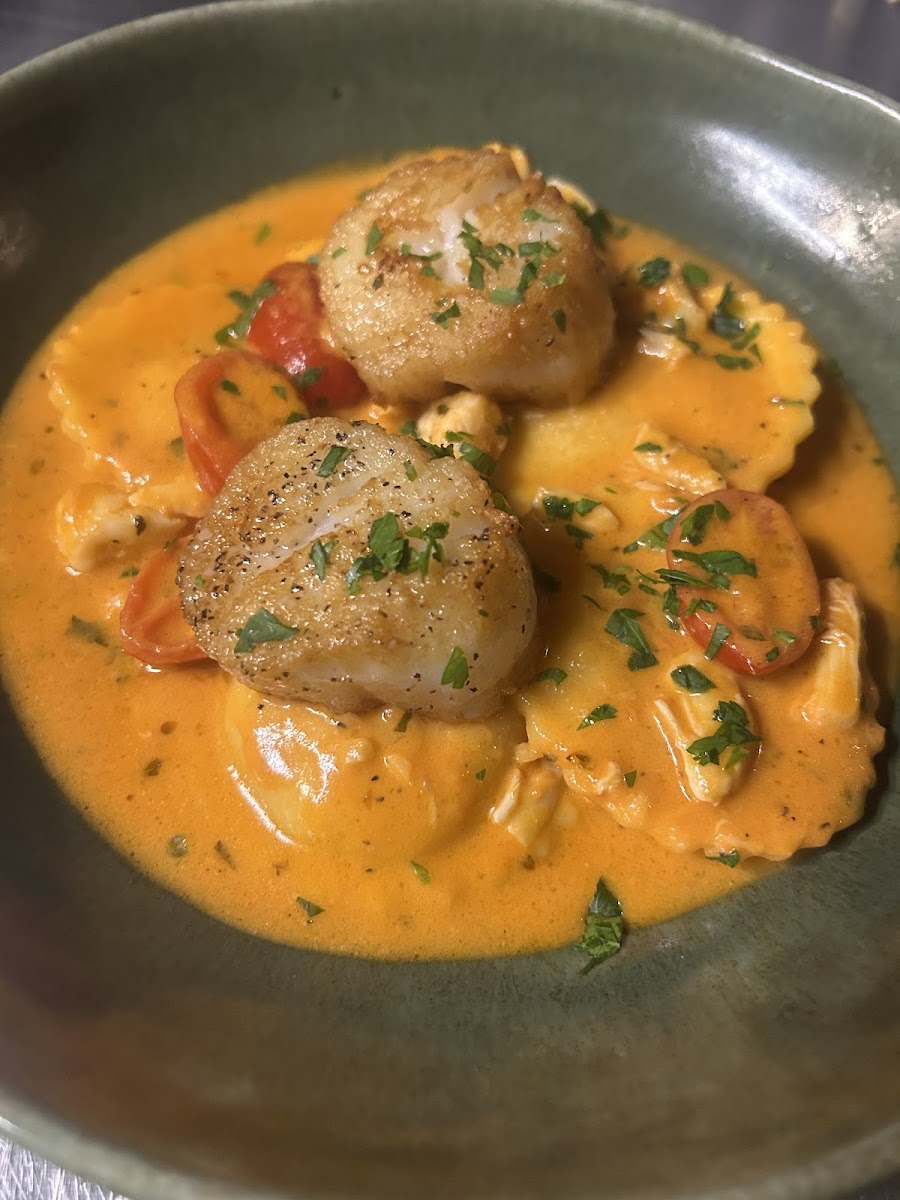
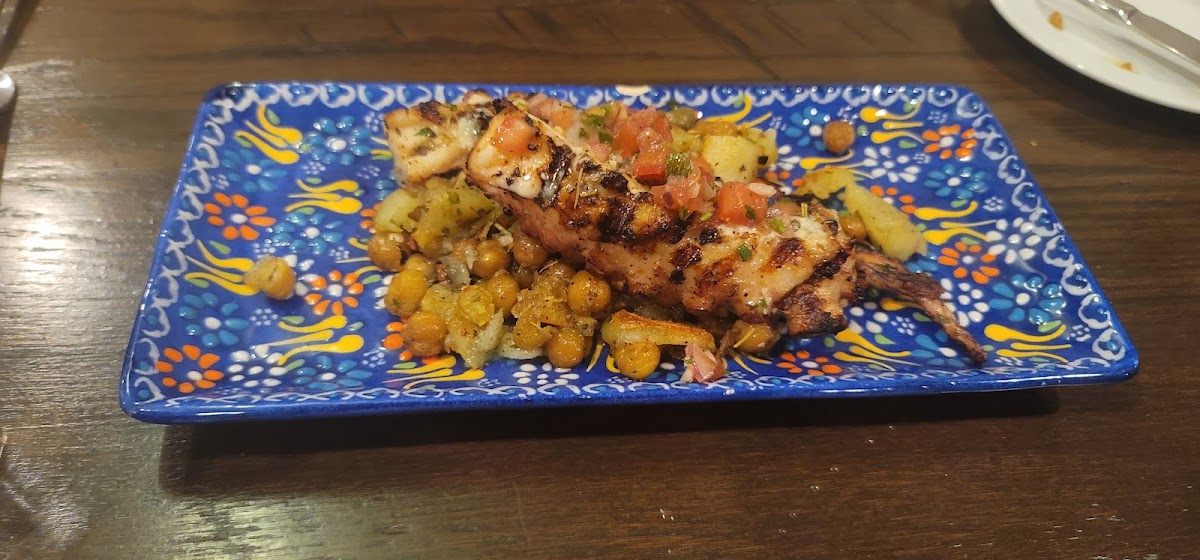
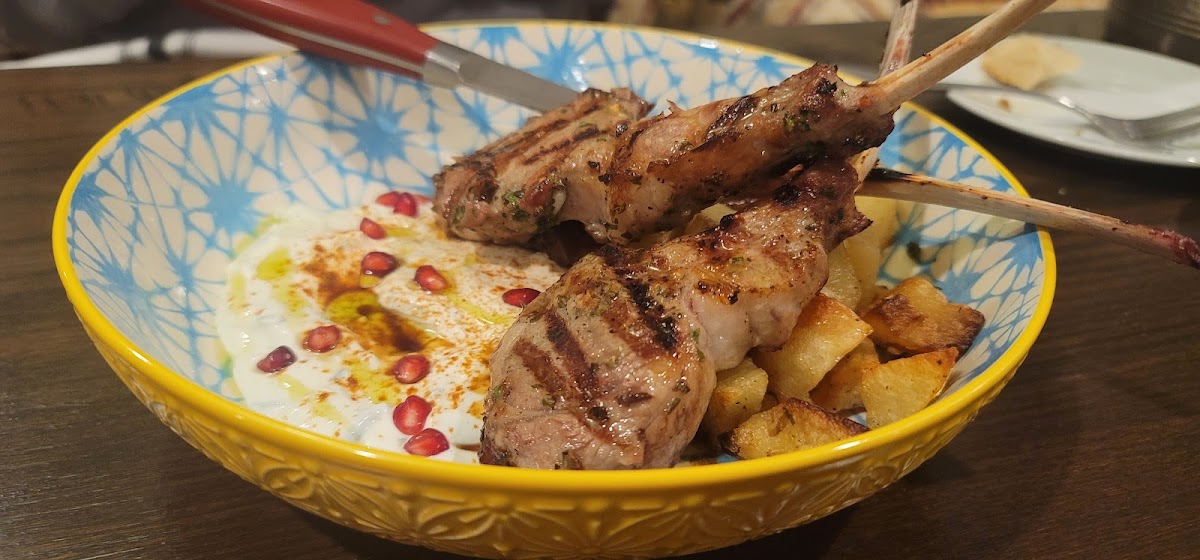
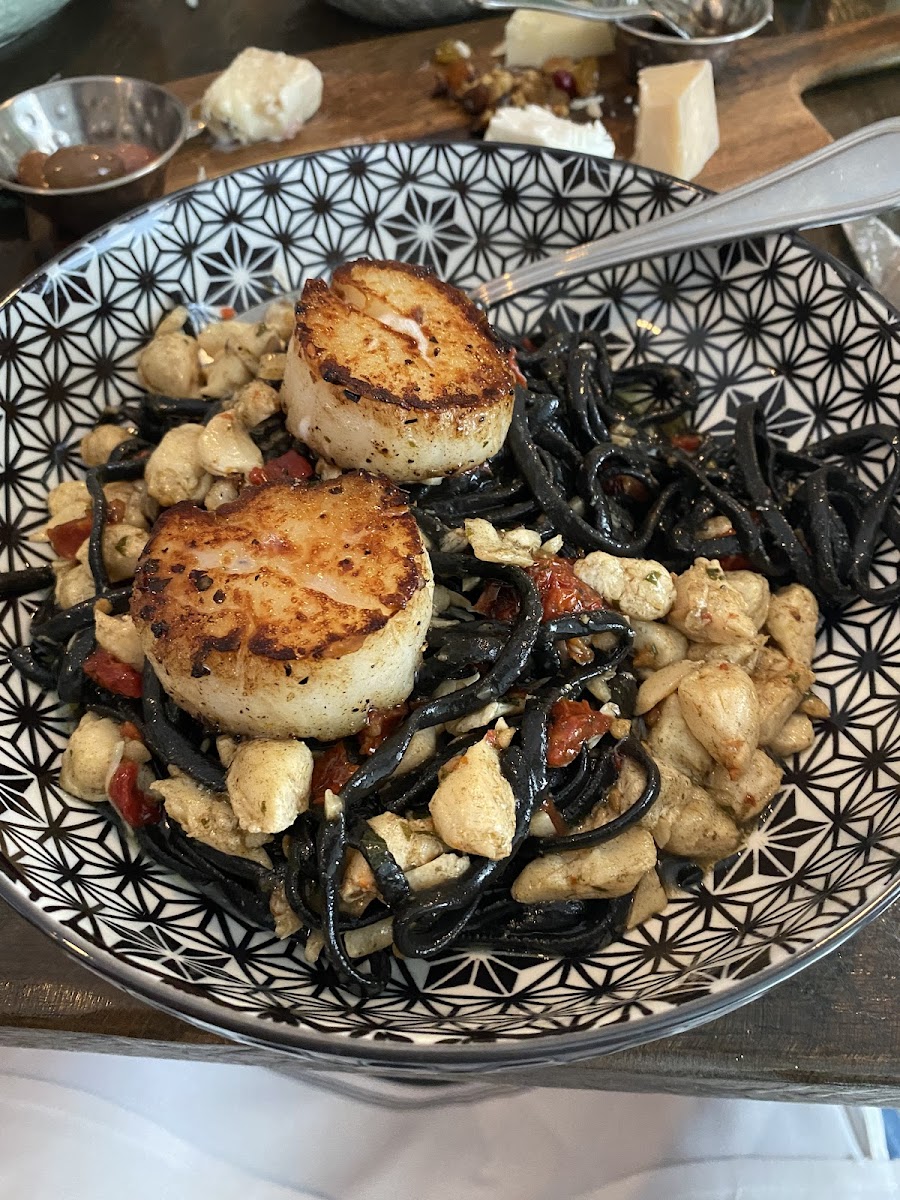
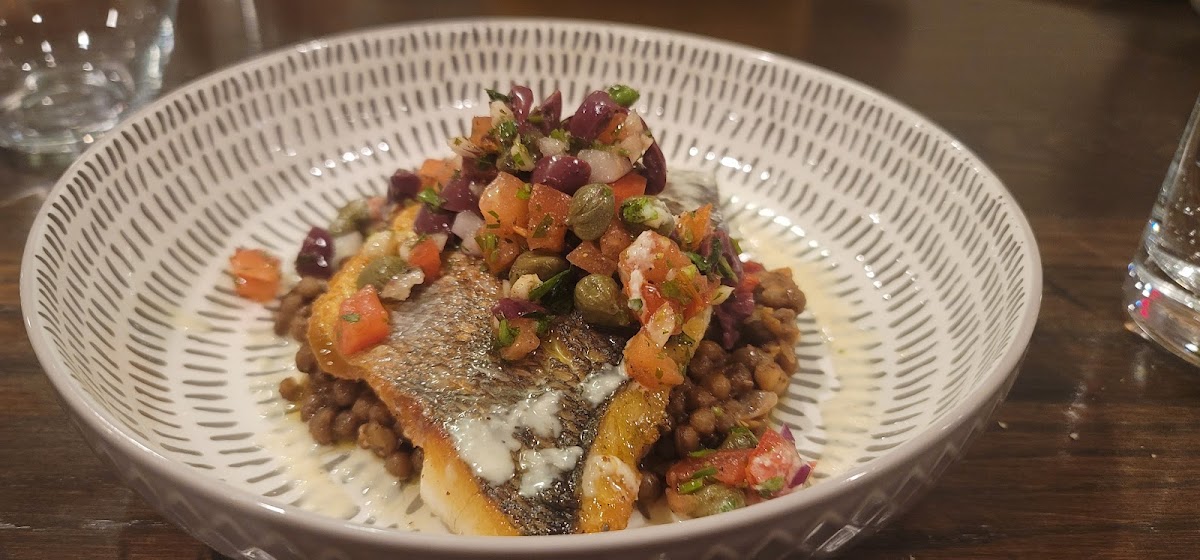
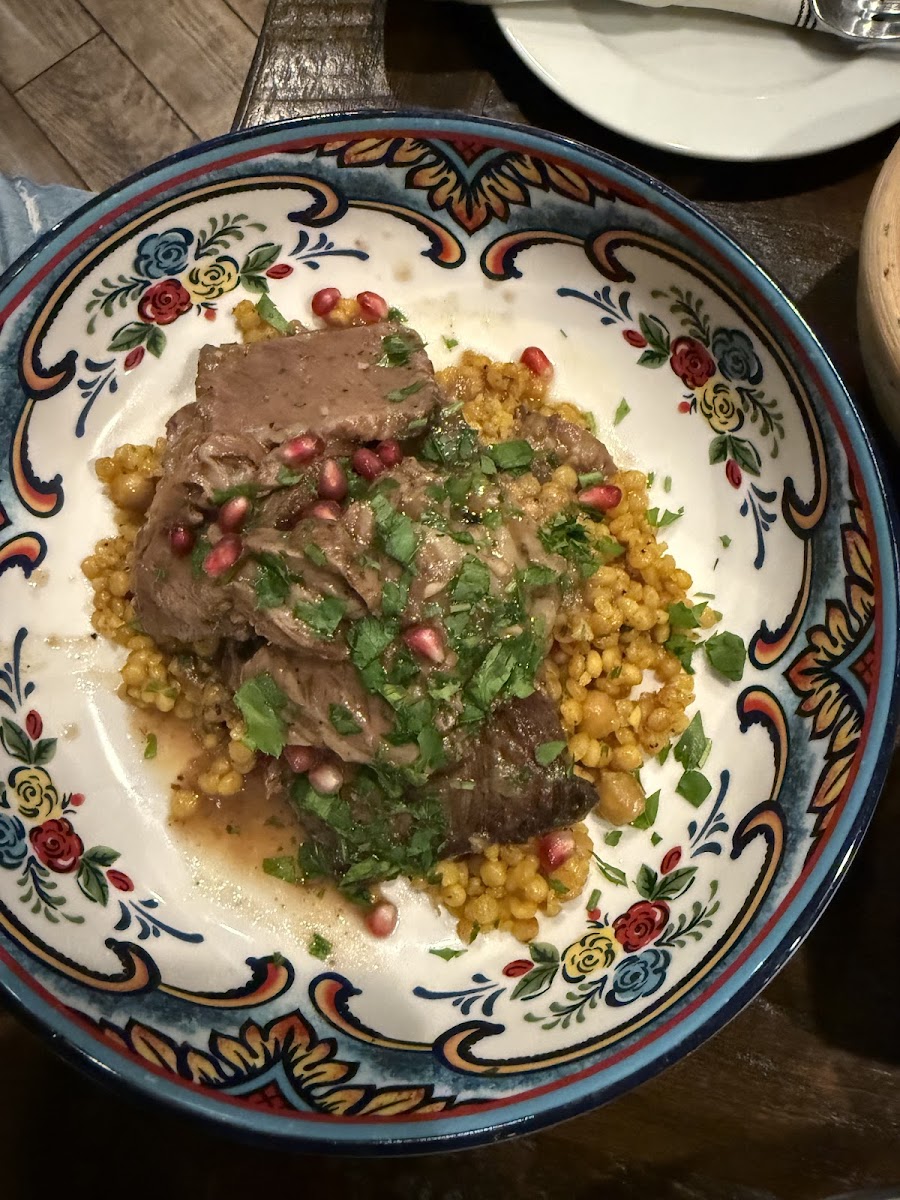
One plate that stood out came from a recommendation I saw repeatedly in online reviews. After trying it myself, I understood why people describe it as house favorite comfort food. The textures were spot-on, and nothing felt rushed or overworked. From a professional standpoint, this kind of consistency usually points to solid kitchen systems. Years ago, while consulting briefly for an independent diner, I learned how prep schedules and clear station roles can make or break service. Dua Restaurant seems to have those processes locked in, because even during a mild dinner rush, plates kept coming out evenly paced and well executed.
The location plays a big role in its appeal too. Bryn Mawr draws a mix of students, families, and professionals, and this spot manages to cater to all three without losing its identity. I noticed a couple splitting a dessert while nearby a group of friends debated which menu item was best, clearly regulars. That aligns with what food researchers from Cornell’s School of Hotel Administration often note: restaurants that build community loyalty tend to outperform those relying solely on novelty. Here, familiarity feels like a strength, not a limitation.
Service deserves its own mention. The staff struck that rare balance between attentive and relaxed. When I asked about substitutions, the response was confident and clear, which builds trust fast. According to consumer studies shared by organizations like the James Beard Foundation, knowledgeable service staff significantly influence repeat visits, sometimes even more than décor or pricing. Based on my experience, that insight holds true here.
No restaurant is without limits, and it’s fair to say that peak hours can mean a short wait, especially on weekends. That’s the trade-off for a place with a strong local following. Still, the turnover feels fair, and nothing about the experience suggests cutting corners to move tables faster. Reviews across platforms echo this sentiment, often mentioning patience being rewarded with consistently satisfying meals.
What ultimately keeps people coming back is how natural everything feels. The menu evolves without losing its core, the location remains easy to reach, and the overall experience feels honest. In a dining landscape where concepts come and go quickly, this spot holds its ground by doing the fundamentals right and respecting its guests’ time and taste.